When it comes to building commander decks, I lean toward the esoteric. I think of each deck concept as a puzzle and each game as an opportunity to show off a hard-won solution. With this project, I wanted to deconstruct the very concept of a deck a little—what if a deck could actually be ten decks?
I played bit of the Jumpstart product, in which two packs from a list of different themes are shuffled together to form a ready-to-play 40 card deck. I slowly worked through a box of Jumpstart 2024 with one of my former students over the course of a few weeks, and I was impressed by the replayability. In particular, how playing the same pack twice paired with different themes created very different experiences.
Goal: Inspired by Jumpstart, this project consists of a set half-decks, each helmed by a partner commander. One must be able to take any two of these half decks, shuffle them together, and have a functional commander deck.
To skip to decklists and playtesting, click here.
Some Considerations and Constraints
One consideration has to do with logistic: the decks must be separable back into its two halves. Another concerns scope: the more half-decks in the set, the more complicated the interactions between them are. In light of these two considerations, I settled on five mono-color half-decks. My options for partners are then covered by the following Scryfall query:
o:partner -o:"partner with" -o:"partner—" ci=1 legal:commander
Skeleton
First, we want each half to have a baseline of role-players. To this end, we will include in each half:
- One boardwipe
- Three pieces of interaction (e.g. target removal or counterspell)
- Two pieces of ramp
- Two cards that generate card advantage.
When two halves are shuffled together, the result should feel like a cohesive whole. With this goal in mind, we want to place cards in each half that play well with other halves. Specifically, each half will have five cards chosen to synergize with each other half. For example, the white half will have five cards that work well with the blue half, five for the black half, and so on for the red and green halves. This leaves 22 cards: five cards bolstering the “core” strategy of the half and 17 lands.
Choosing a Theme: Artifacts
For my first attempt at this kind of project, I figured I should make things easier on myself by choosing partners that have some mechanical overlap. Looking over the options, one word that appears on a partner of each color is “artifact,” so I let that word be my guiding theme.
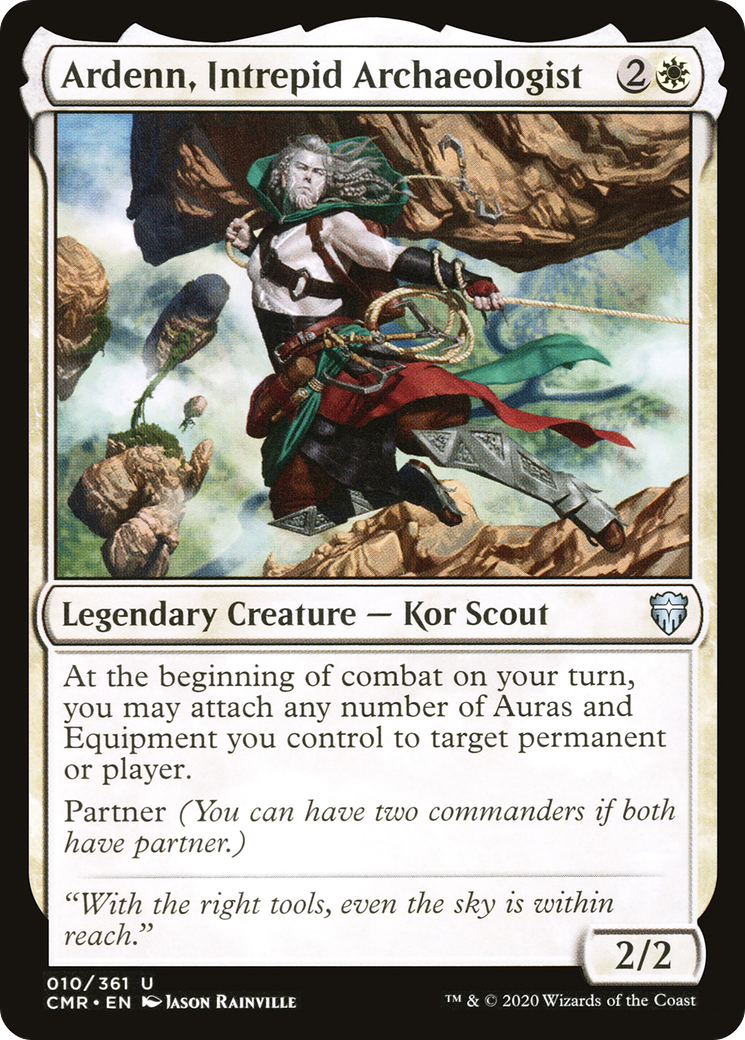
White: Ardenn, Intrepid Archaeologist
While Rebbec, Architect of Ascension is the white partner that actually has “artifact” in its rules text, I figured Ardenn’s more specific theme of equipment would help to focus the project.
I want to leverage Ardenn’s ability to put equipment on an opponent’s creatures. One way to utilize this ability is to suit up an opposing creature, then goad it. Because white has few ways to goad a creature, we will look to the other halves (particularly red) to include some goad support to synergize with this game plan.
Another reason one might want to equip their opponents’ creatures is to laden them with detrimental equipment.
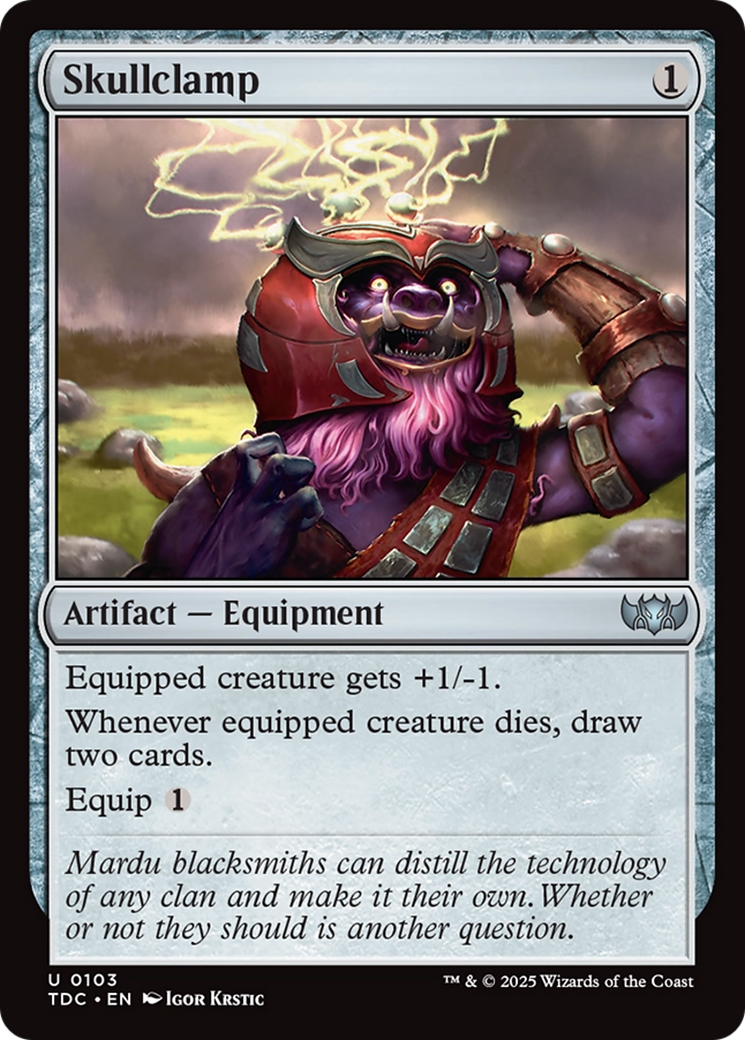
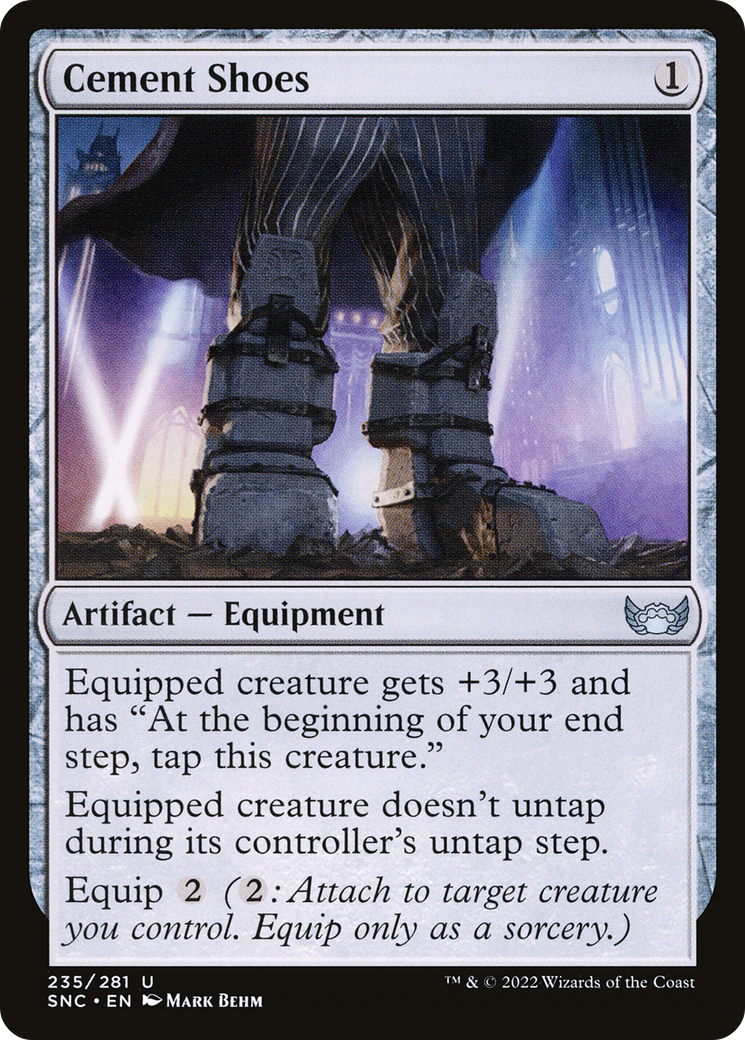
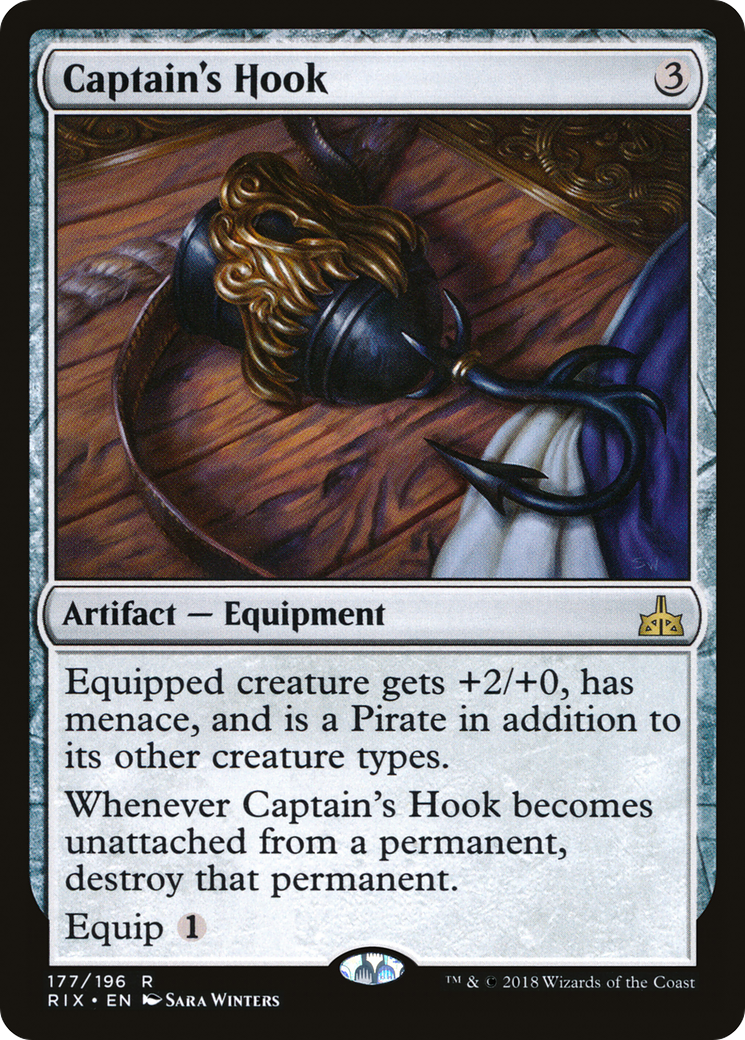
If an opponent’s creature equipped with my Skullclamp dies, I draw the two cards. Cement Shoes and similar equipment can lock down an opponent’s creature. Whenever we move Captain’s Hook off of an opponent’s creature, they have to sacrifice that creature. The additional effect of making a creature a pirate segues well into our next choice of partner.
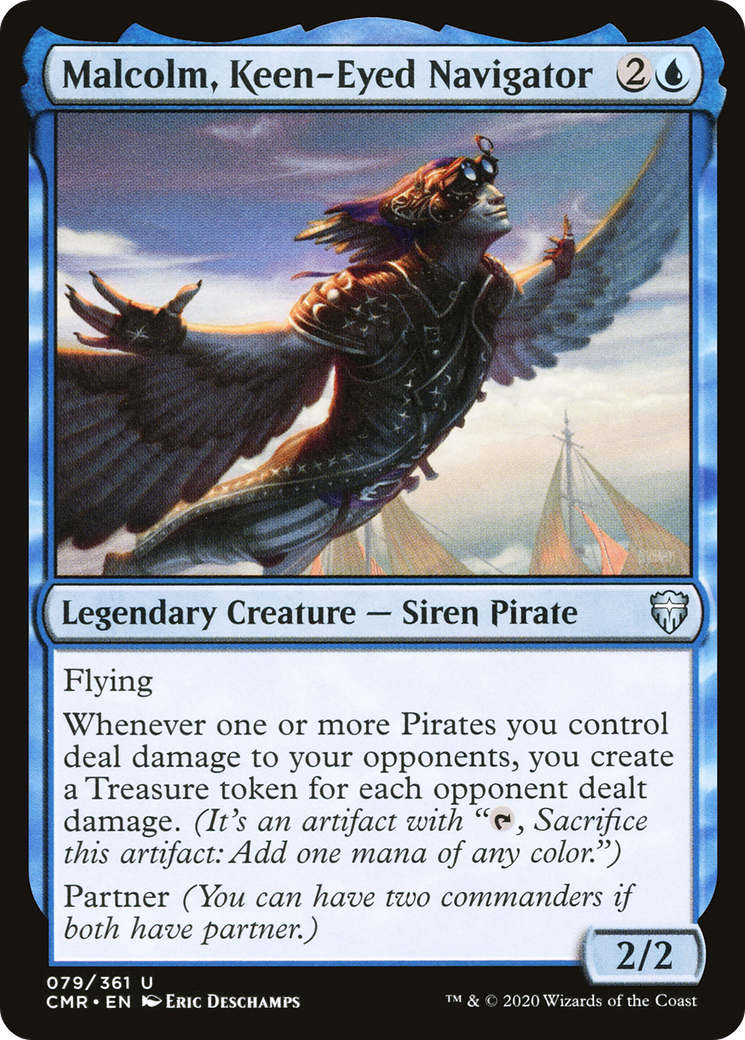
Blue: Malcolm, Keen-Eyed Navigator
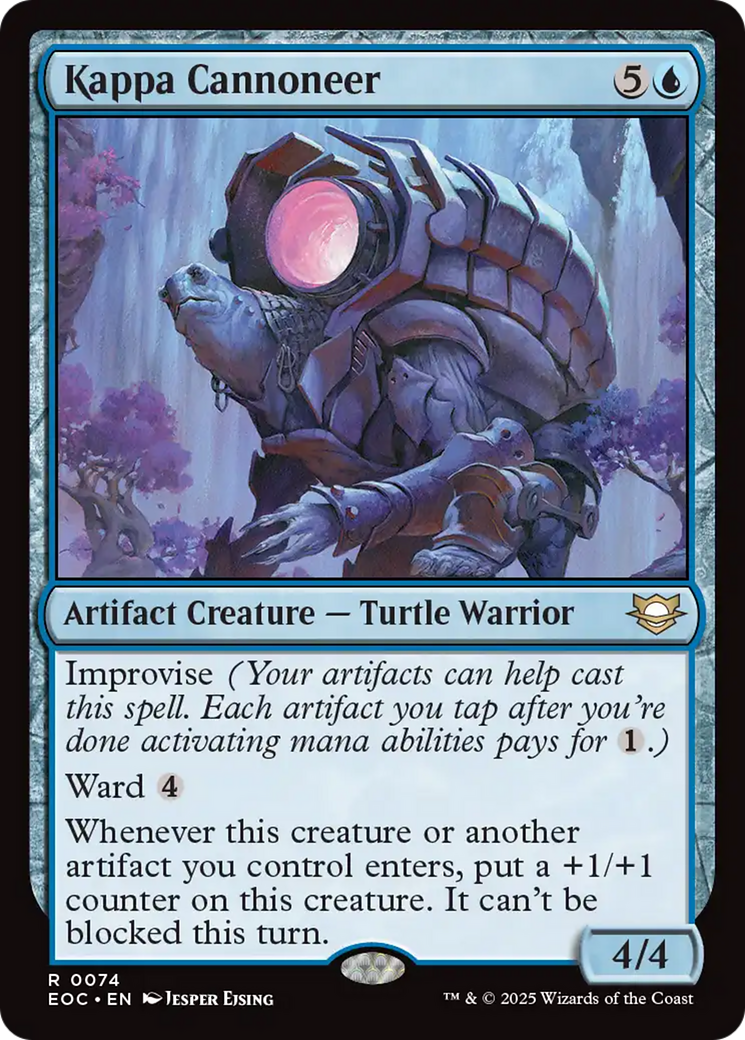
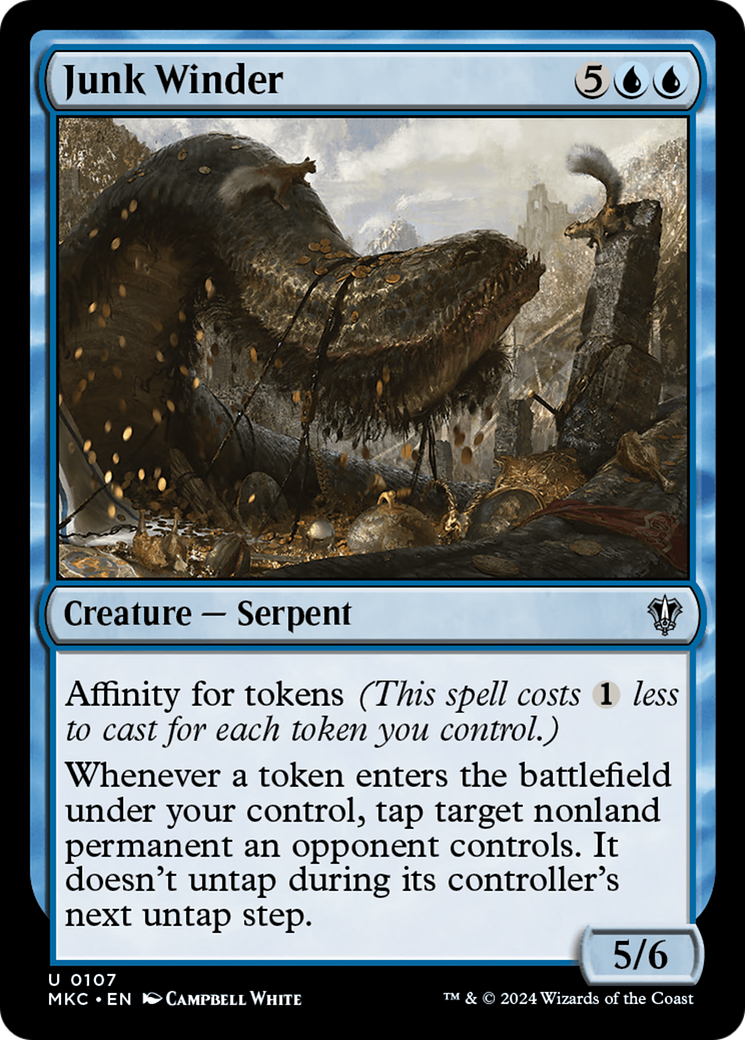
Malcolm’s game plan is to create a bunch of treasures. We are avoiding cards that statically count the number of artifacts on the field because in some combinations, we will want to feel free to sacrifice artifacts often. Instead, we focus on cards that trigger upon an artifact entering the battlefield.
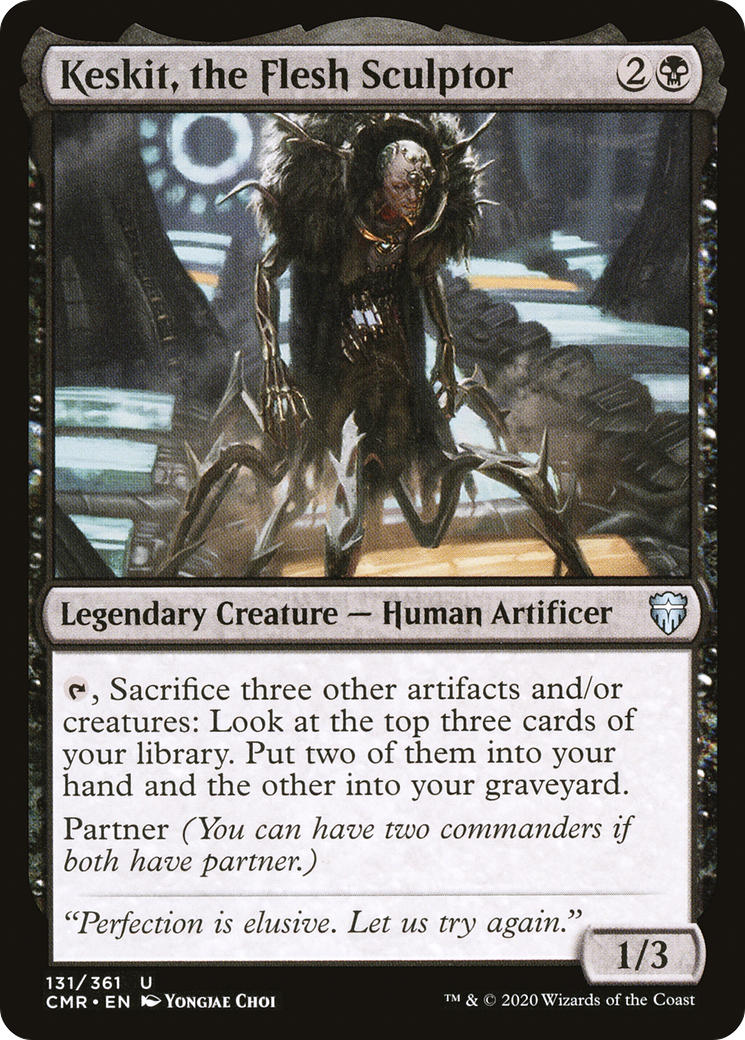
Black: Keskit, the Flesh Sculptor
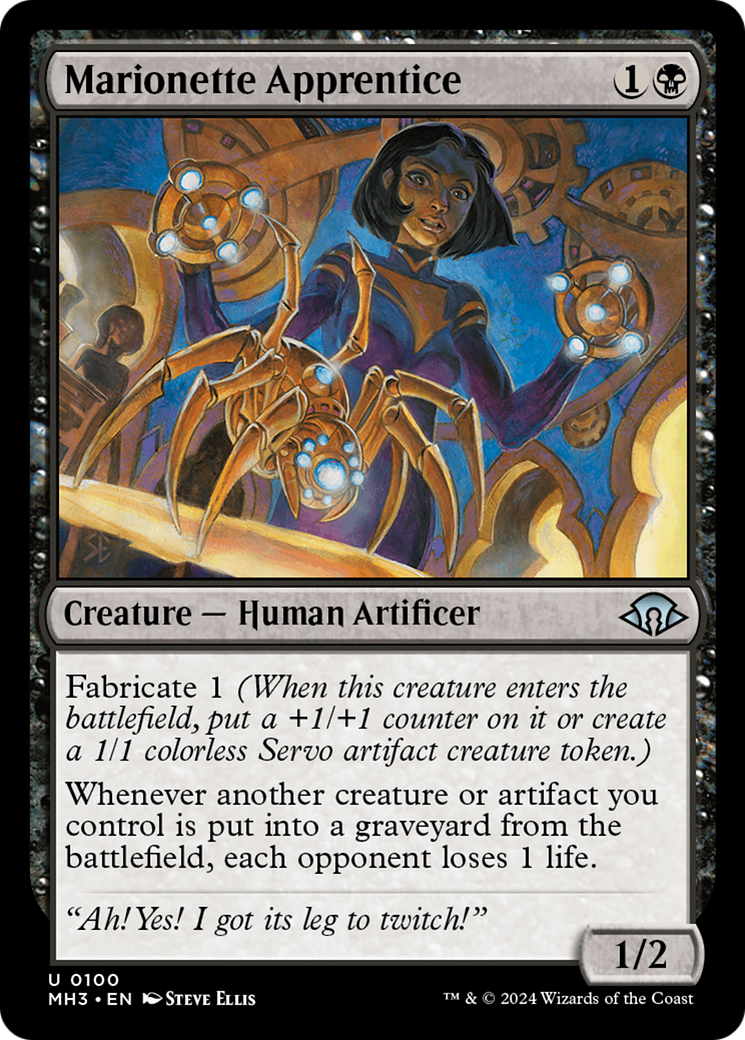
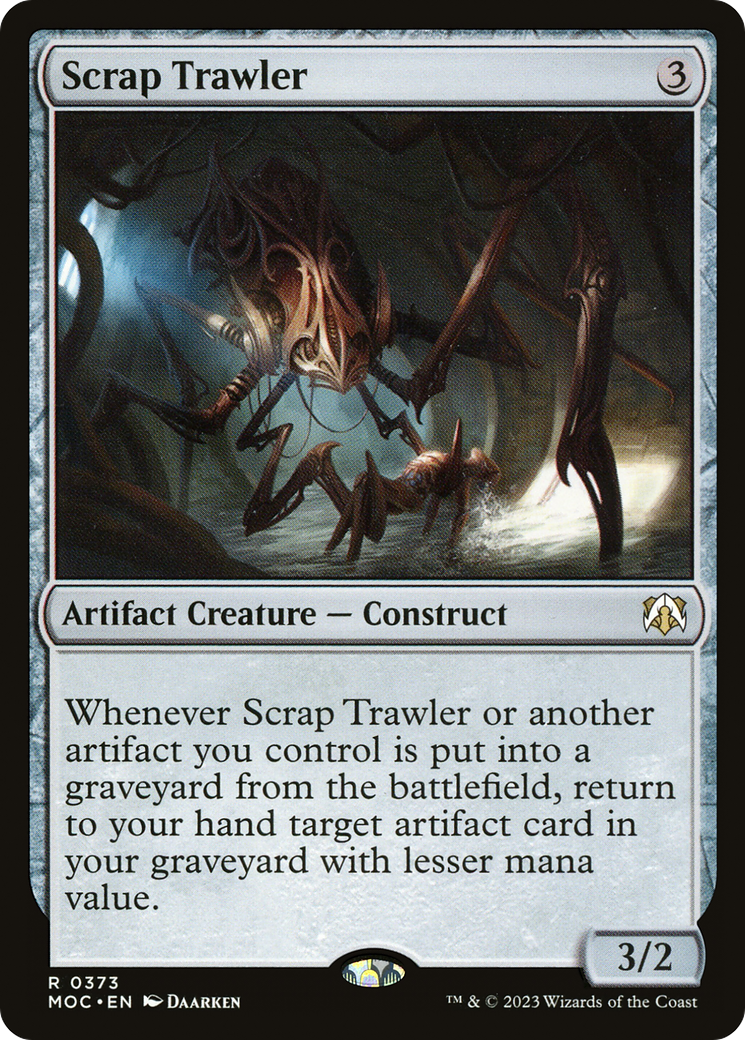
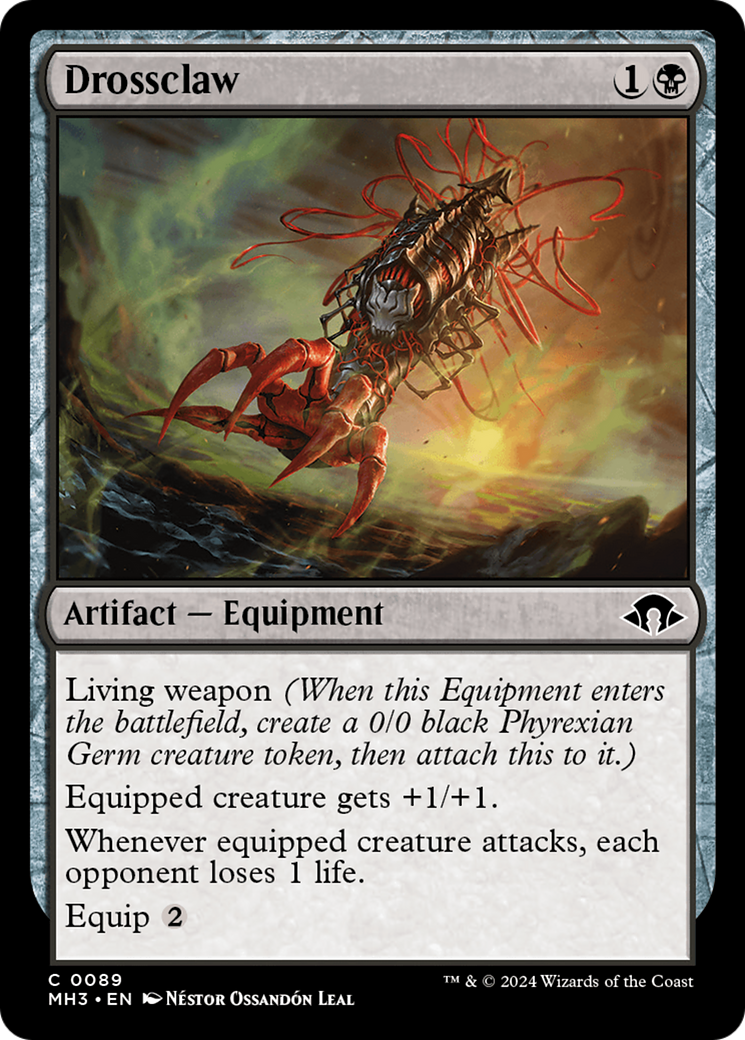
Because Keskit has a built-in sacrifice outlet, so there are two things we are aiming for to advance the game plan: cards that trigger when an artifact is sacrificed and cards that constitute multiple game objects:
Red: Toggo, Goblin Weaponsmith
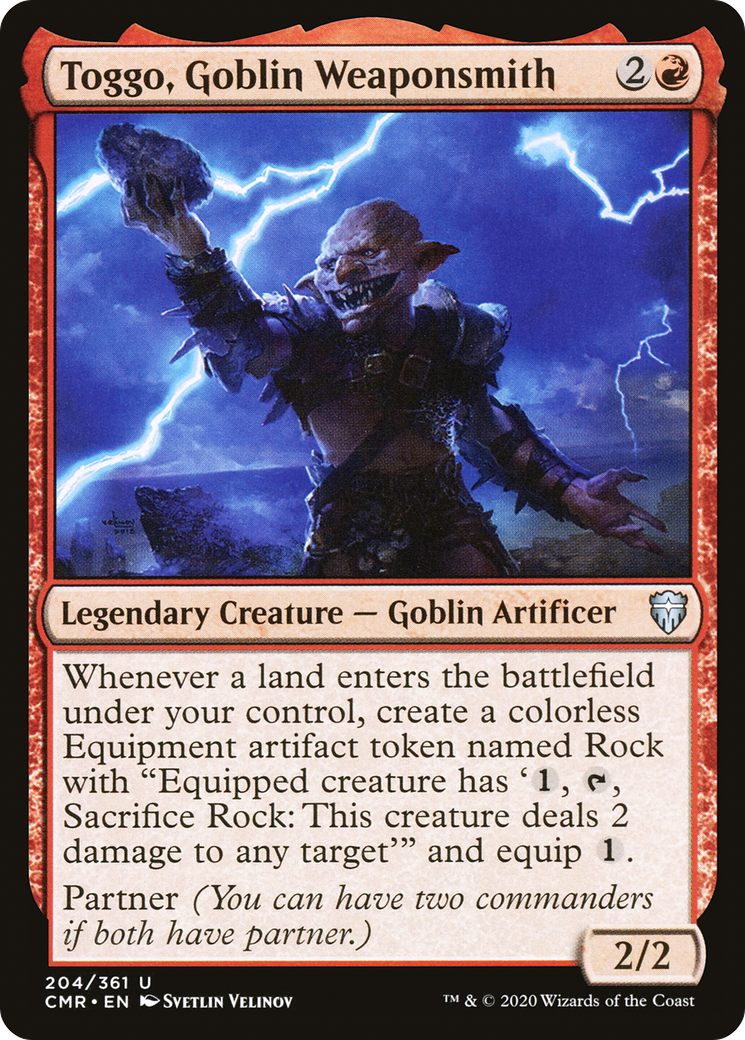
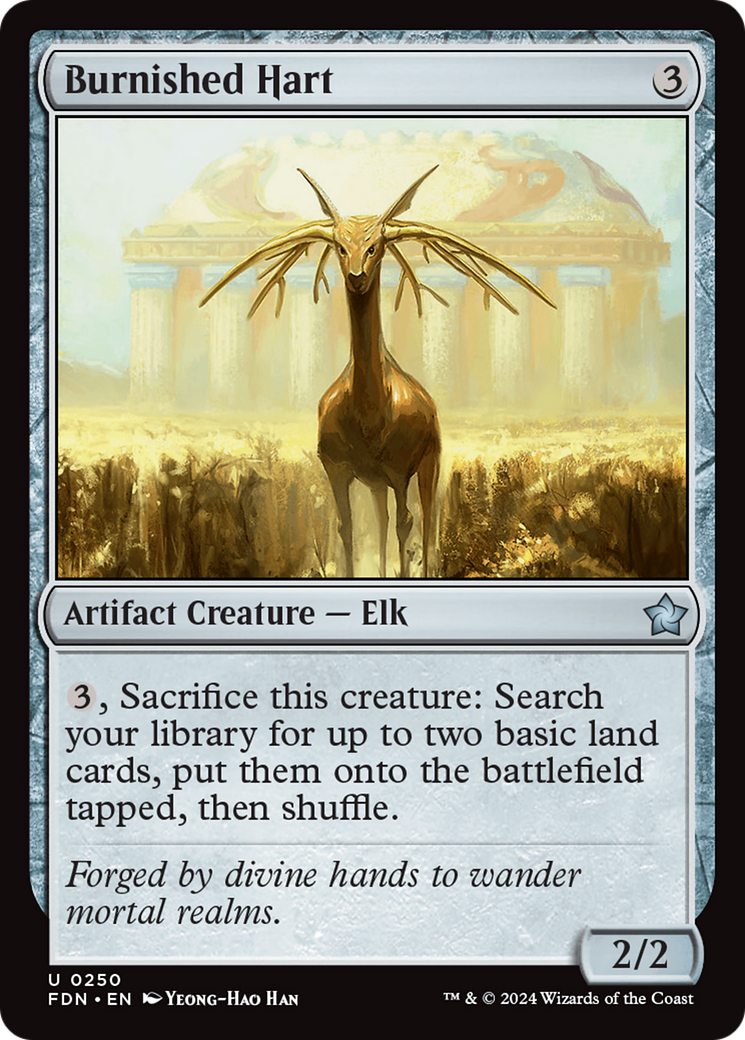
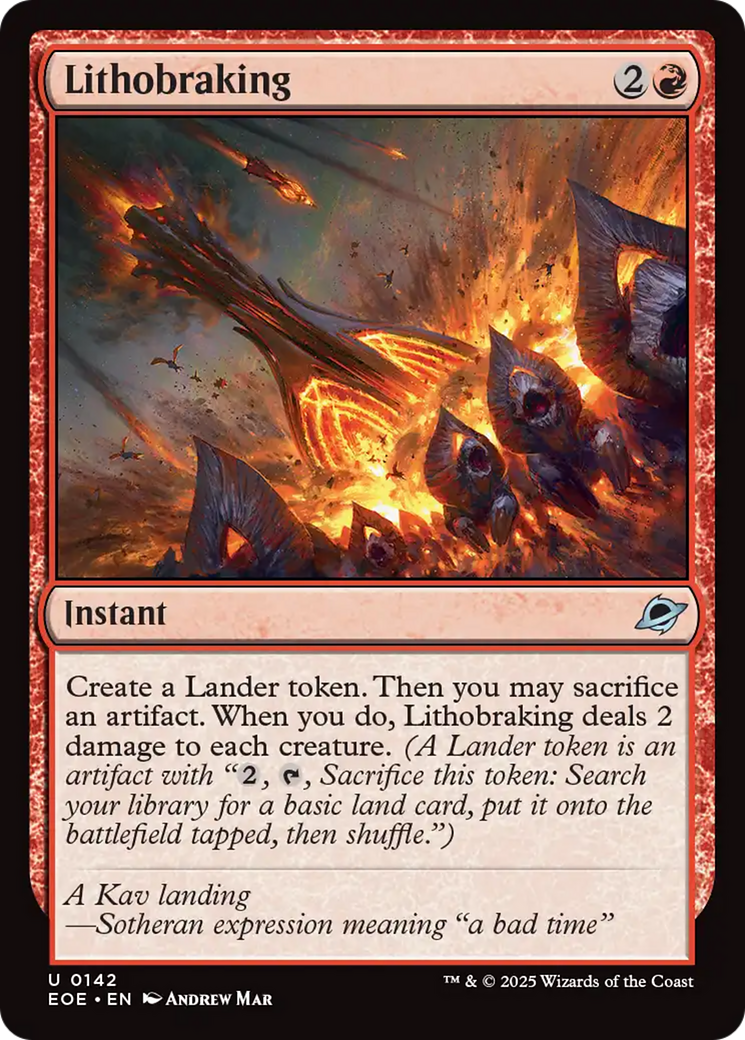
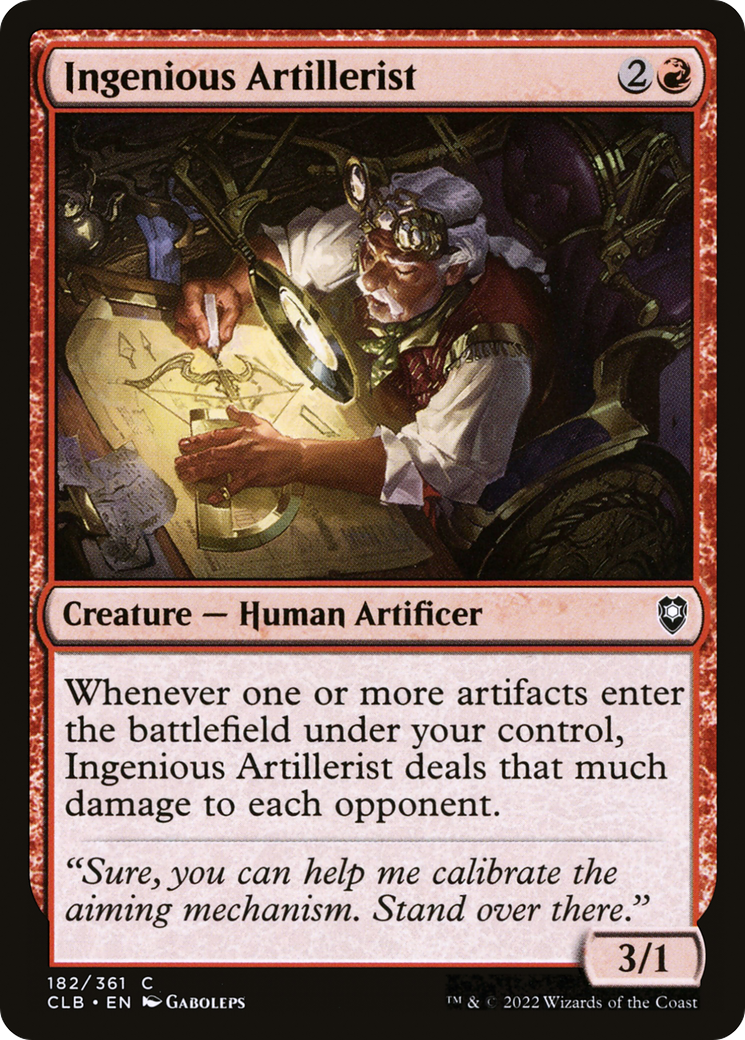
Toggo’s core gameplan involves putting extra lands onto the battlefield. To leverage the tokens he creates, we want cards that trigger when artifacts enter the battlefield.
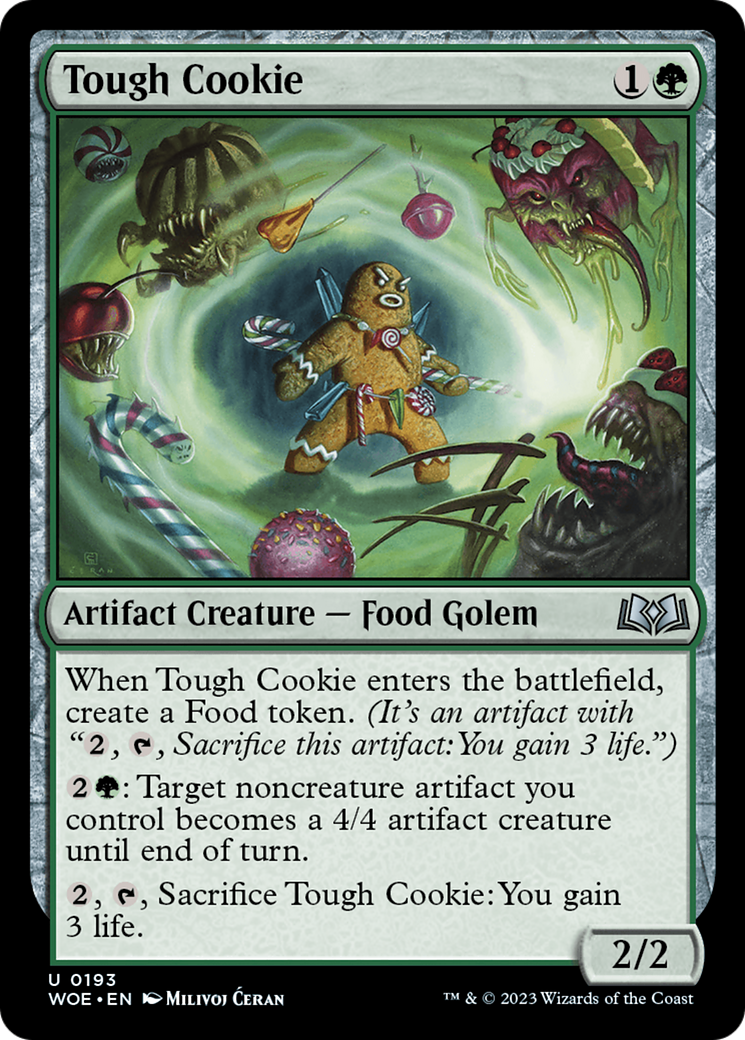
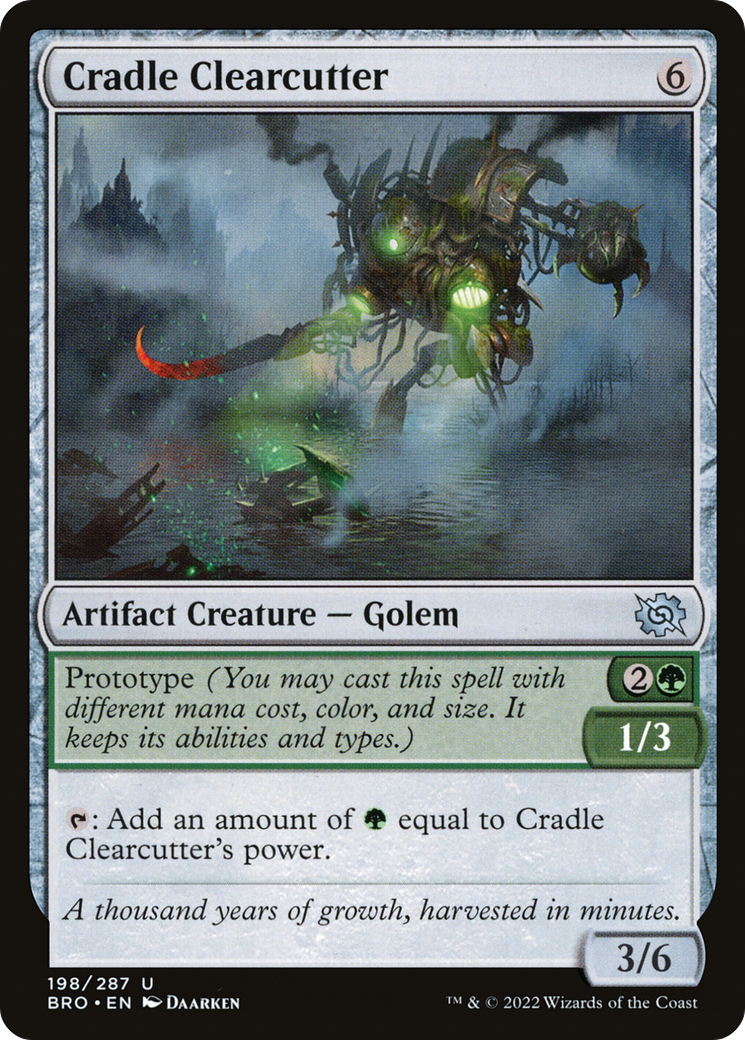
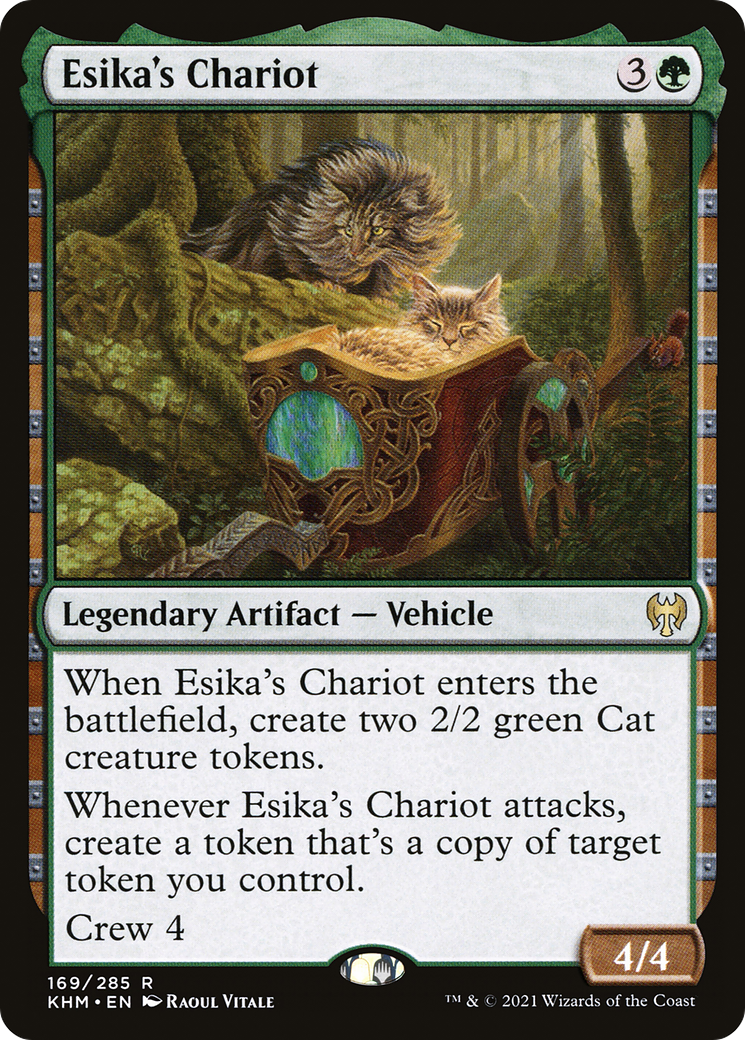
Green: Ich-Tekik, Salvage Splicer
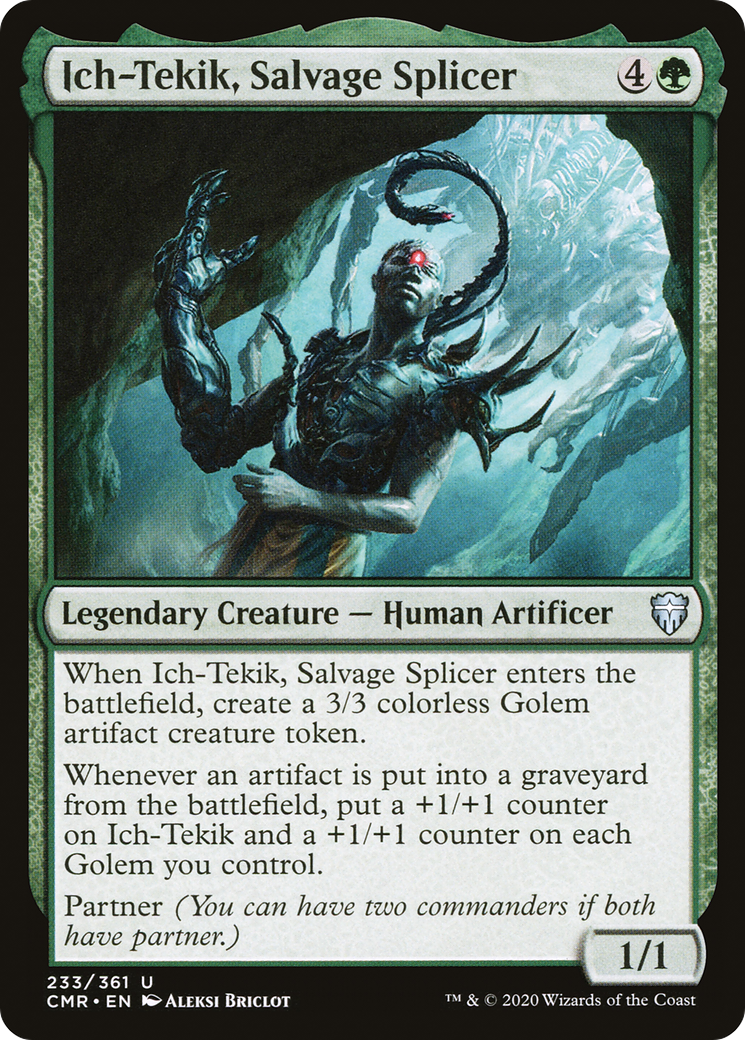
Ich-Tekik wants to do two things: make tokens that can innately be sacrificed and use those to make big golems. To that end, we’re looking for food production, golems whose abilities scale with their power, and ways to copy tokens.
Overlaps
Before discussing overlaps, I want note that I am avoiding having any “dead” cards, so a card included in any half needs to support that half’s theme. For example, I don’t want to include Lightning-Rig Crew in Toggo—despite the fact that it works very well with Malcolm, it doesn’t really make sense in any other combination.

 Ardenn and Malcolm
Here, blue can give Ardenn access to evasive creatures to suit up, and Malcolm benefits from equipment that let pirates hit opponents multiple times
- Evasive creatures
- Equipment that grants double strike or deals direct damage
 Malcolm and Keskit
Black has access to a few pirates, though we’ll want to focus on those with some form of evasion. Malcolm’s treasure generation already synergizes very well with Keskit’s hunger for artifacts, so we’ll focus on some cards that synergize with the graveyard.
- Black pirates with evasion
- Blue pirates with graveyard abilities
 Keskit and Toggo
With these two halves, we will have no problem sacrificing plenty of artifacts.
- Deathtouch creatures to synergize with Toggo’s rocks
 Toggo and Ich-Tekik
Green can help Toggo trigger landfall with ramp spells. Including ways to sacrifice artifacts in Toggo will help Ich-Tekik trigger.
- Ramp spells
- Ways to sacrifice artifacts
- Landfall triggers that make more artifact tokens
Ich-Tekik and Ardenn
The overlap between these two partners is primarily in modifying creatures, whether that’s with counters or equipment.
- Cards that care about modifications
- White golems
Ardenn and Keskit
These two have gameplans that mostly run in parallel without interacting with each other much. The best we can really hope for is cards that are equipment and either come with extra fodder for Keskit or care about creatures dying.
- Equipment that comes with a second game object to be sacrificed to Keskit
- Equipment that trigger when the equipped creature dies
Keskit and Ich-Tekik
Here, Keskit’s sacrificing artifacts helps feed into growing Ich-Tekik’s golems
- Black golems
- Green cards that come along with artifact tokens
Ich-Tekik and Malcolm
These two partners care about a particular creature type, so we’re looking for creatures that are both types or ways to transform our team’s type.
- Changelings
- Effects that set our creatures’ types
Malcolm and Toggo
The main overlap between these two is creating artifact tokens, although a great bonus is that Toggo’s rocks let pirates deal damage without needing to attack. Both halves already leverage artifacts entering the battlefield, so we focus on including red pirates.
- Red pirates
Toggo and Ardenn
These two already have a great deal of overlap in that one creates equipment and the other cares about that equipment.
- Creatures that like to carry equipment
- Cards in red to goad opponents’ creatures
- Equipment that ramps
Try It Out
Choose two partners below to see their decklist, or .
- Decklist:
- Playtest: